[Location] Mars
[Duration] 8 weeks
[Group] Creation
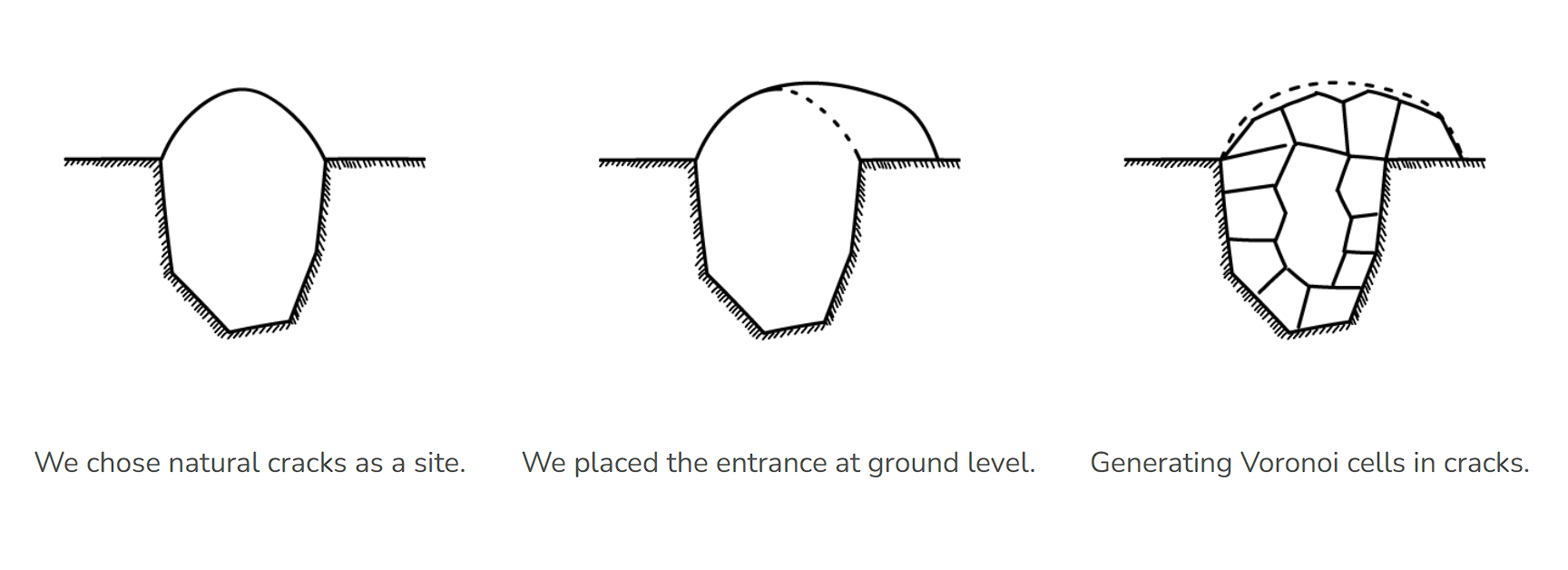
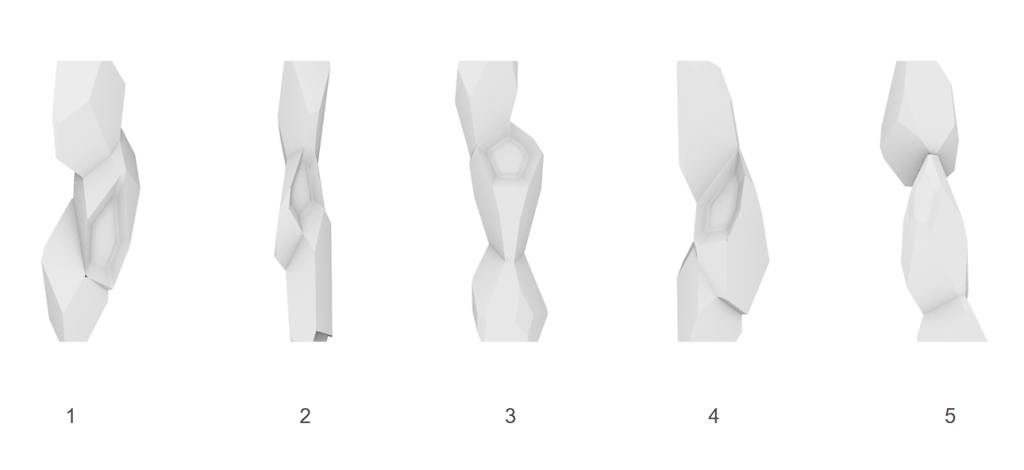
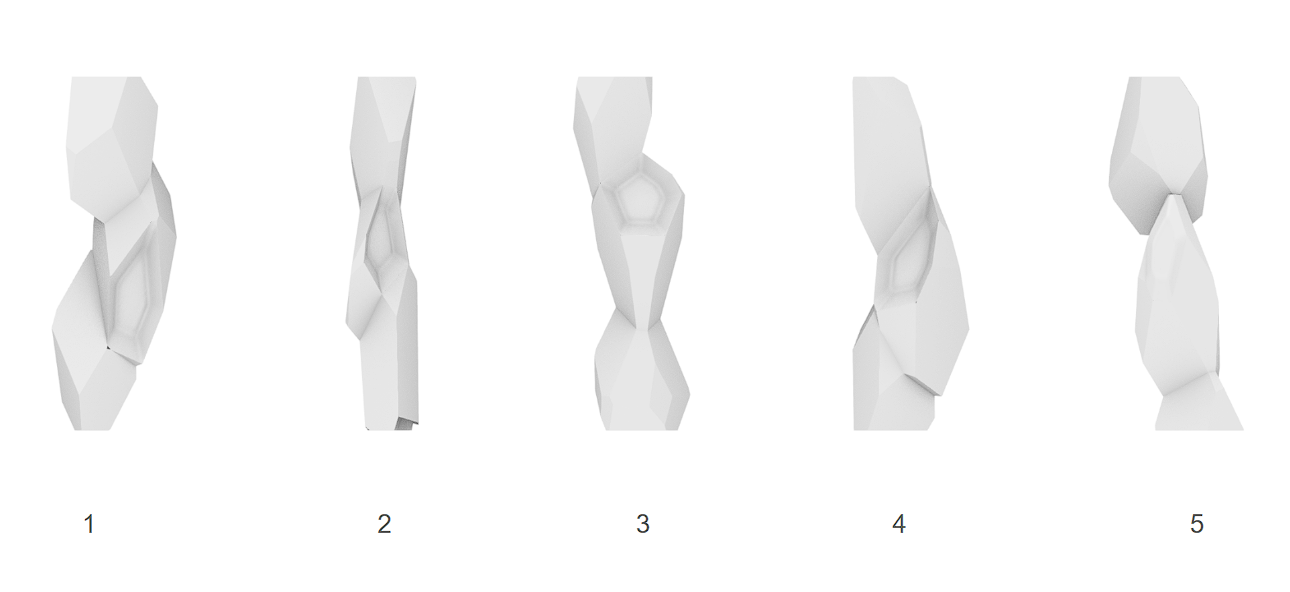
Alright, the title of this project sounds quite daunting—Human Colonies on Mars. In reality, there’s not much to ponder. It mainly involves using a structure called a Voronoi cell to break down the building into smaller components for easier construction. Considering that most structures on Mars will likely be 3D printed by robots, this construction method could be a viable option.
The next question is: where on Mars should the site be located? Mars experiences frequent and intense dust storms, so appropriate protective measures would be necessary on the surface. Additionally, sourcing water resources is another challenging issue.
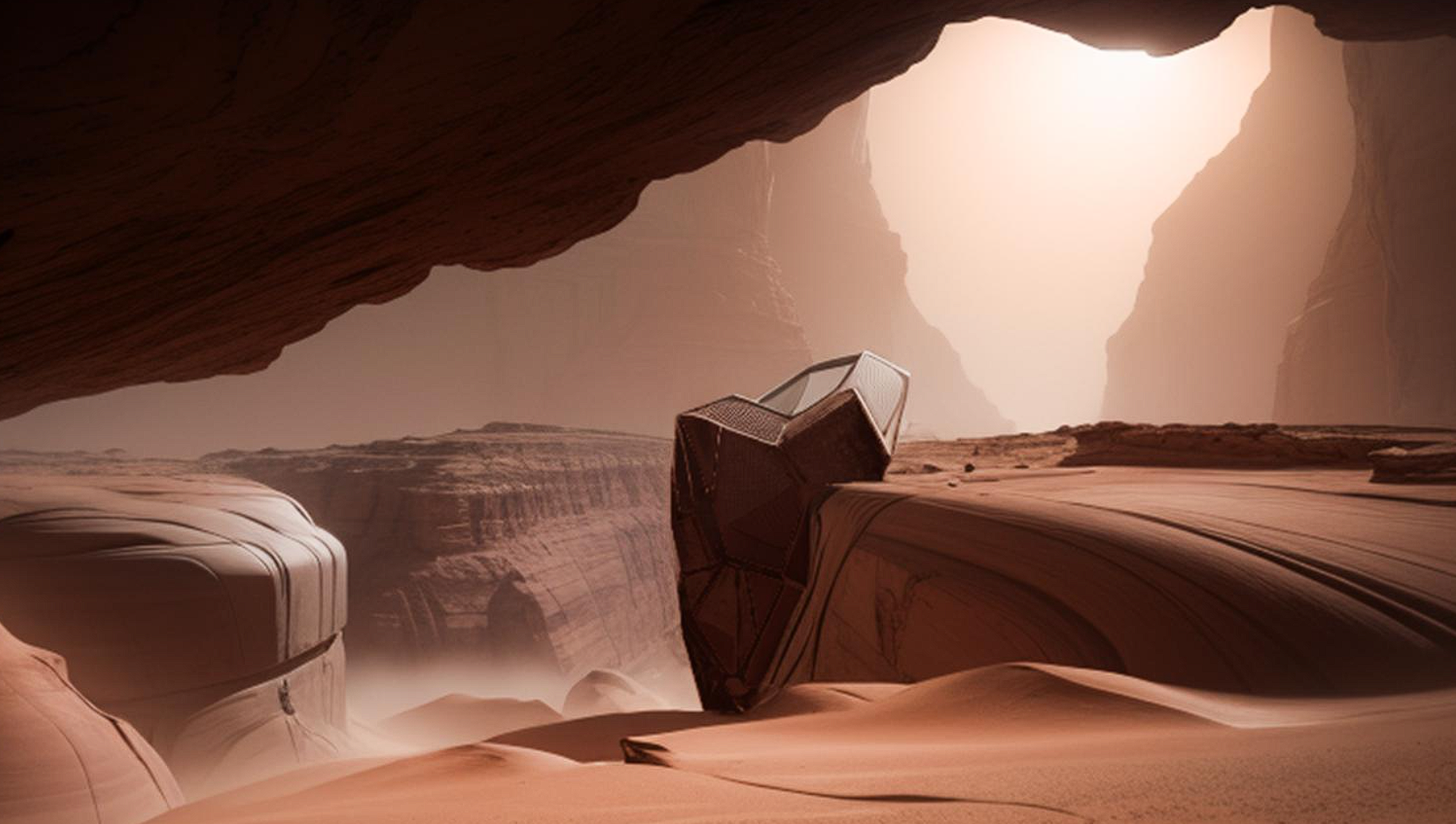
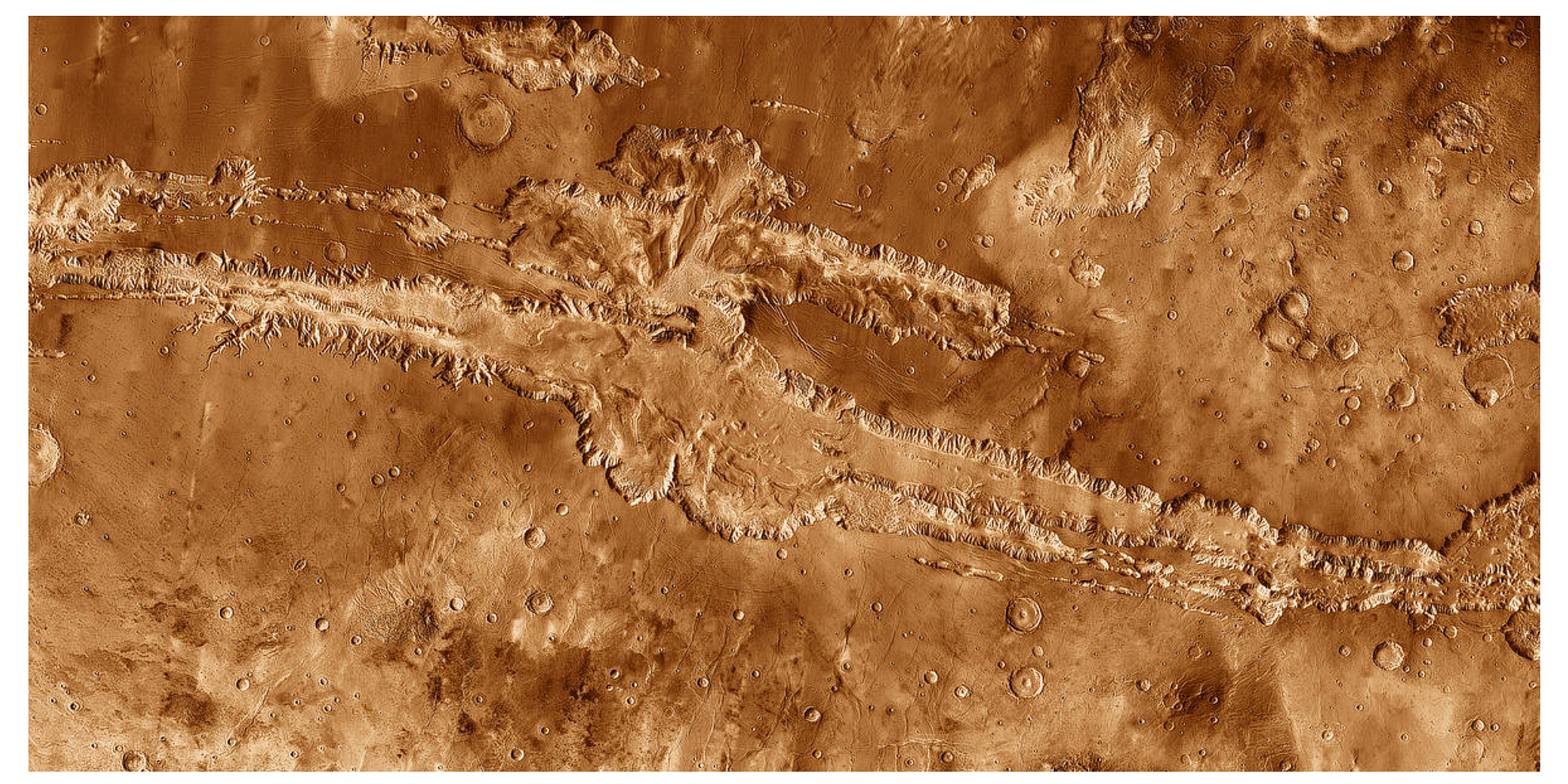
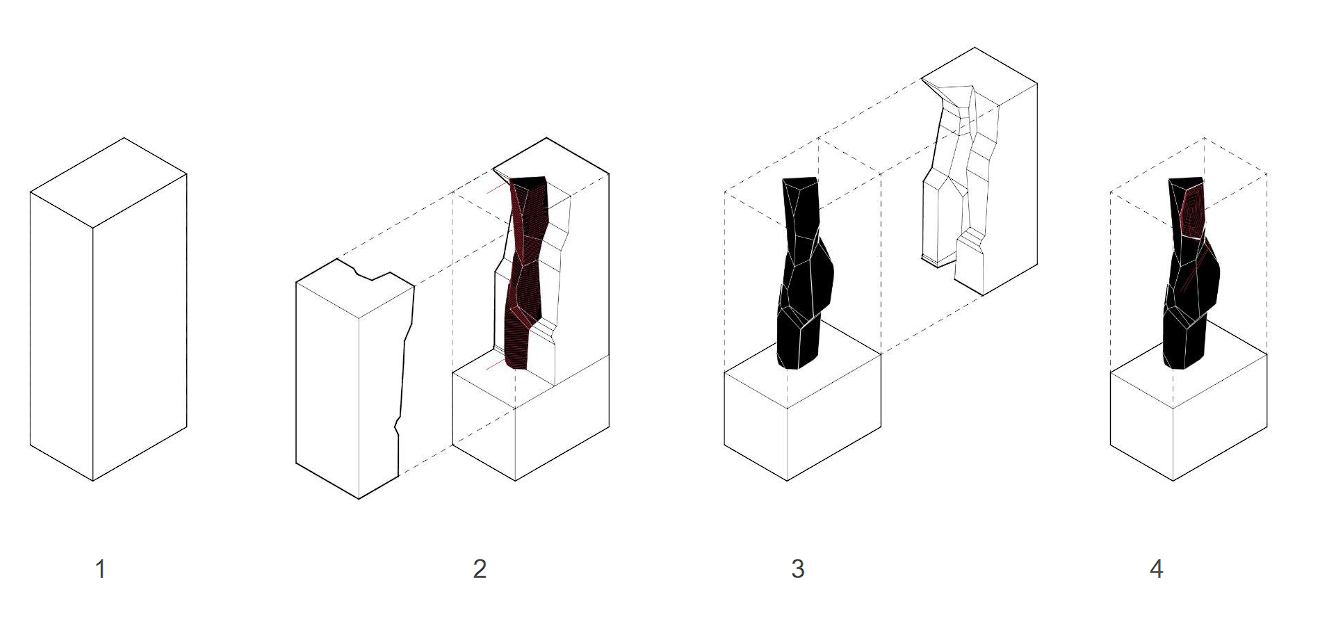
Our final choice is to locate within the “crevices.” Mars has numerous crevices of varying sizes, ranging from vast scars around the equator to those only a few meters wide. Relying on these crevices for natural shelter, we opted to bury most of the base underground.
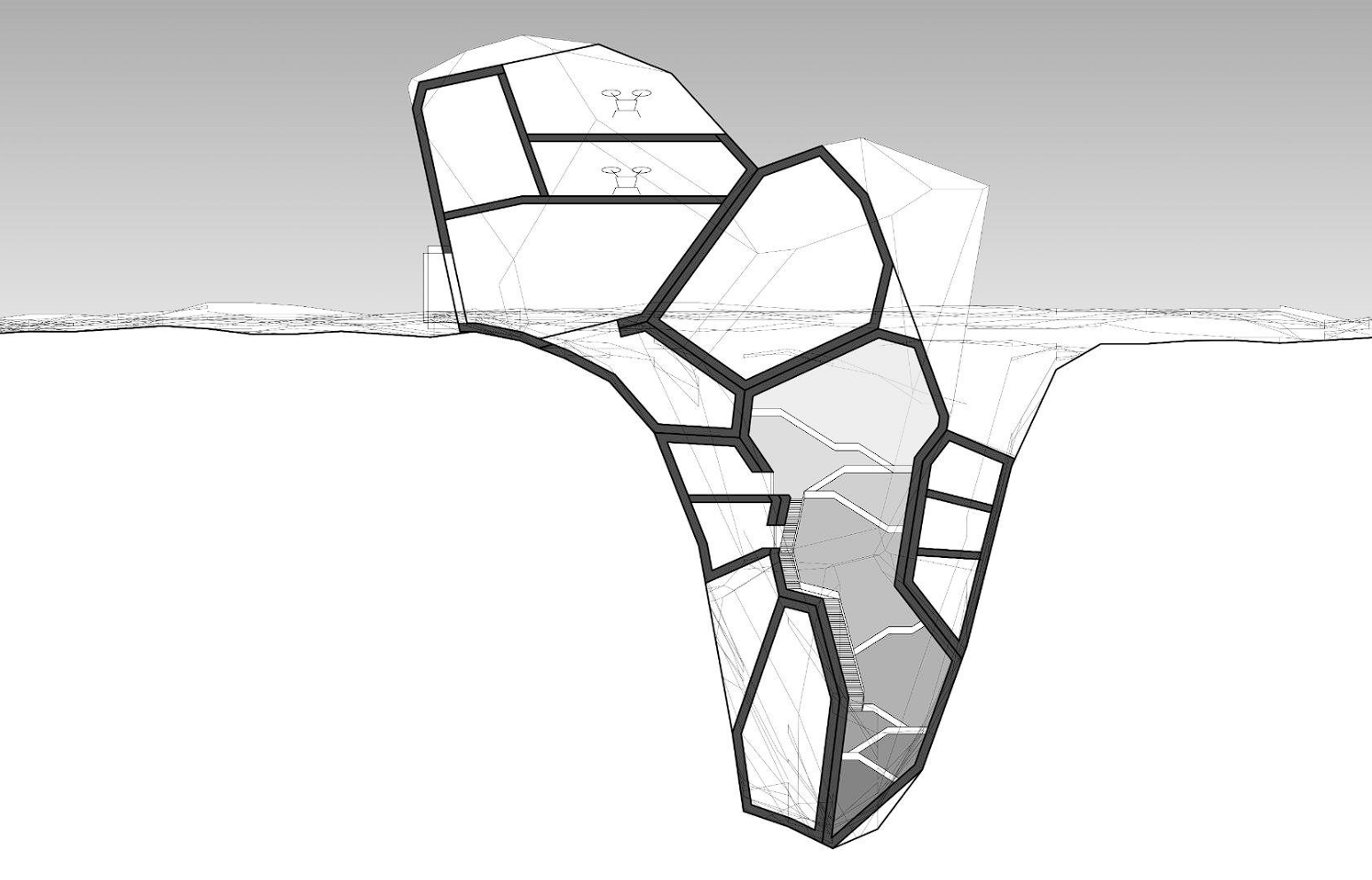
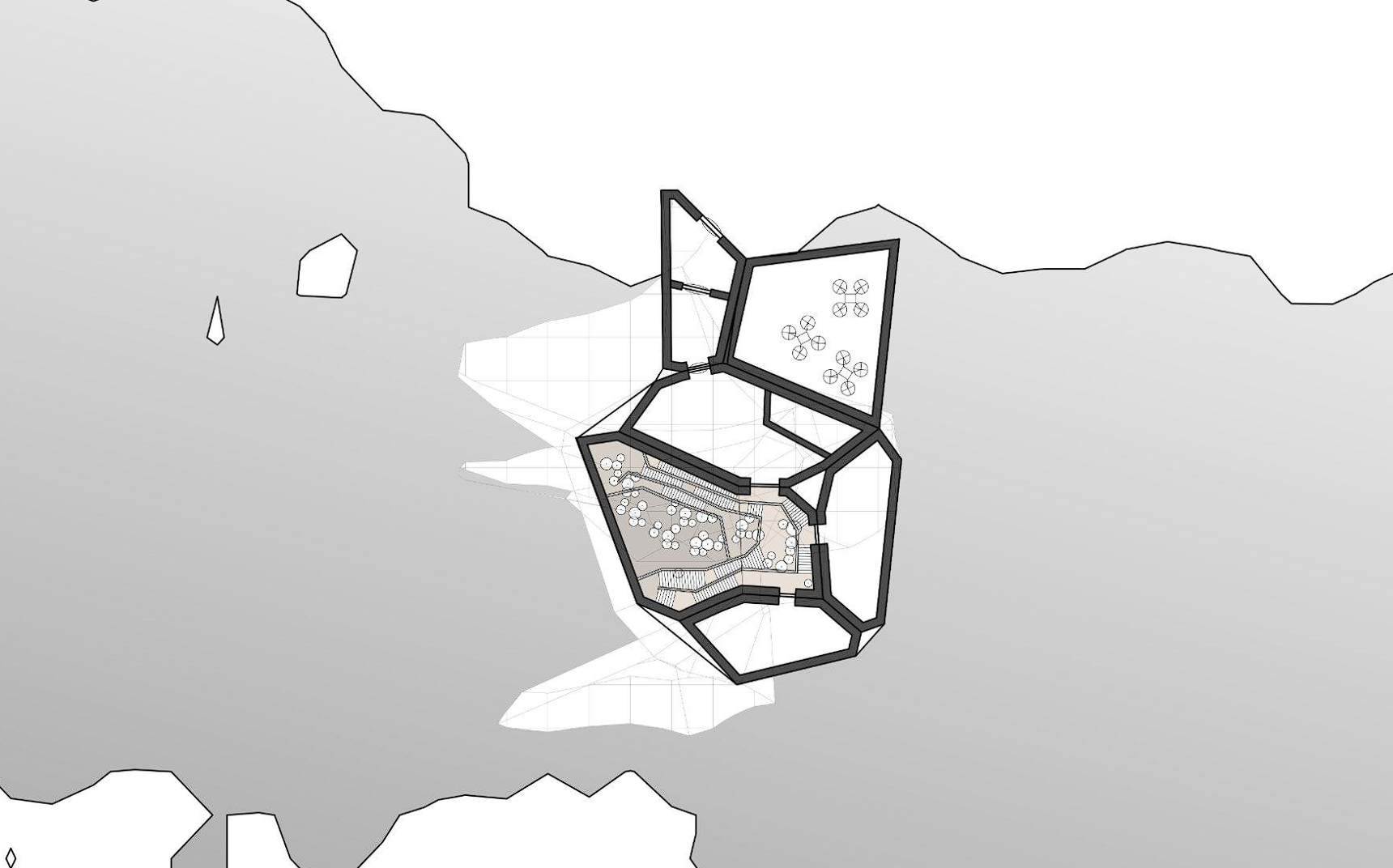
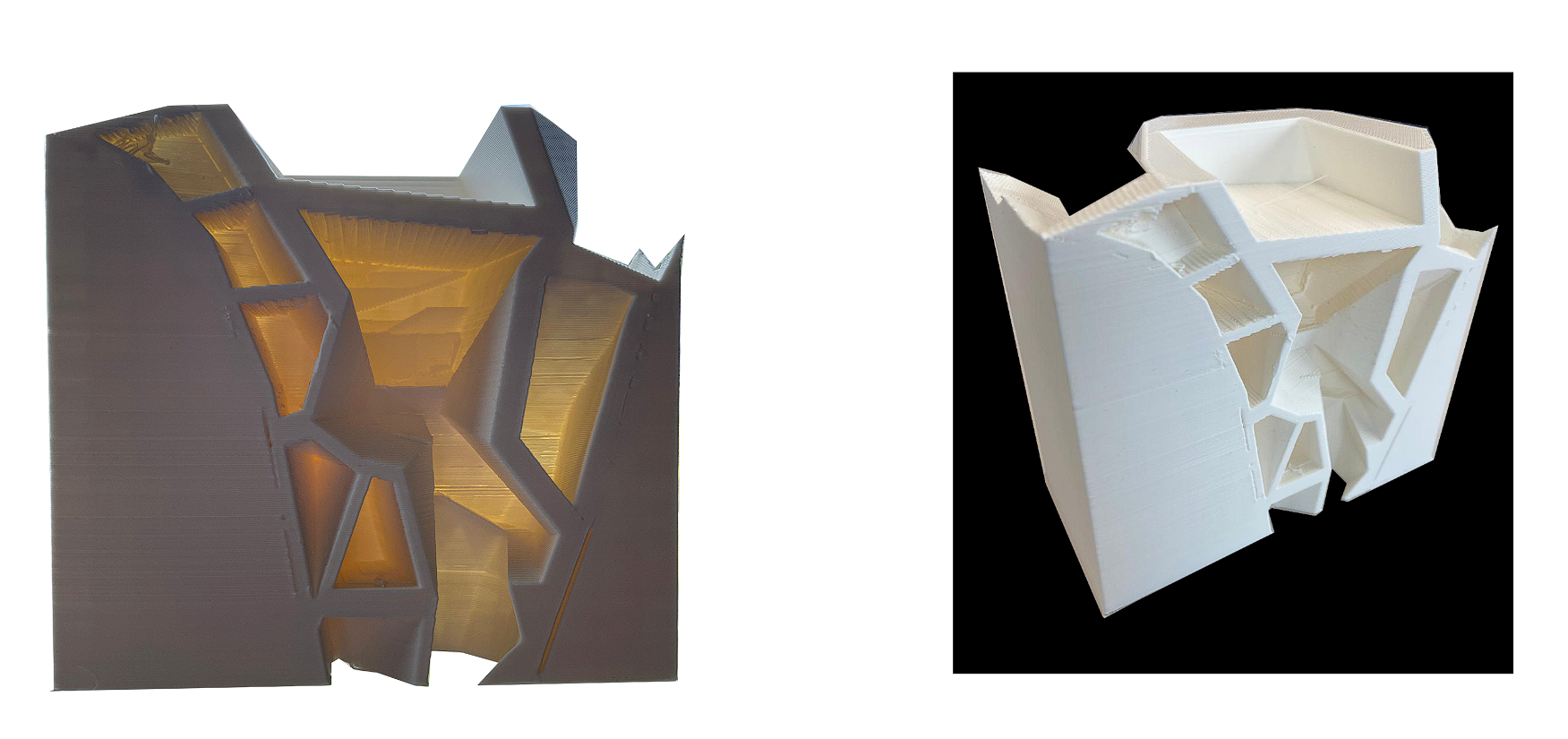
As you can see in the diagram below, the upper levels are designated for public activities, while the lower rooms are used for basic facilities and living quarters. This multi-level structure is supported against the canyon walls. In the middle, a greenhouse provides oxygen and food for the inhabitants.

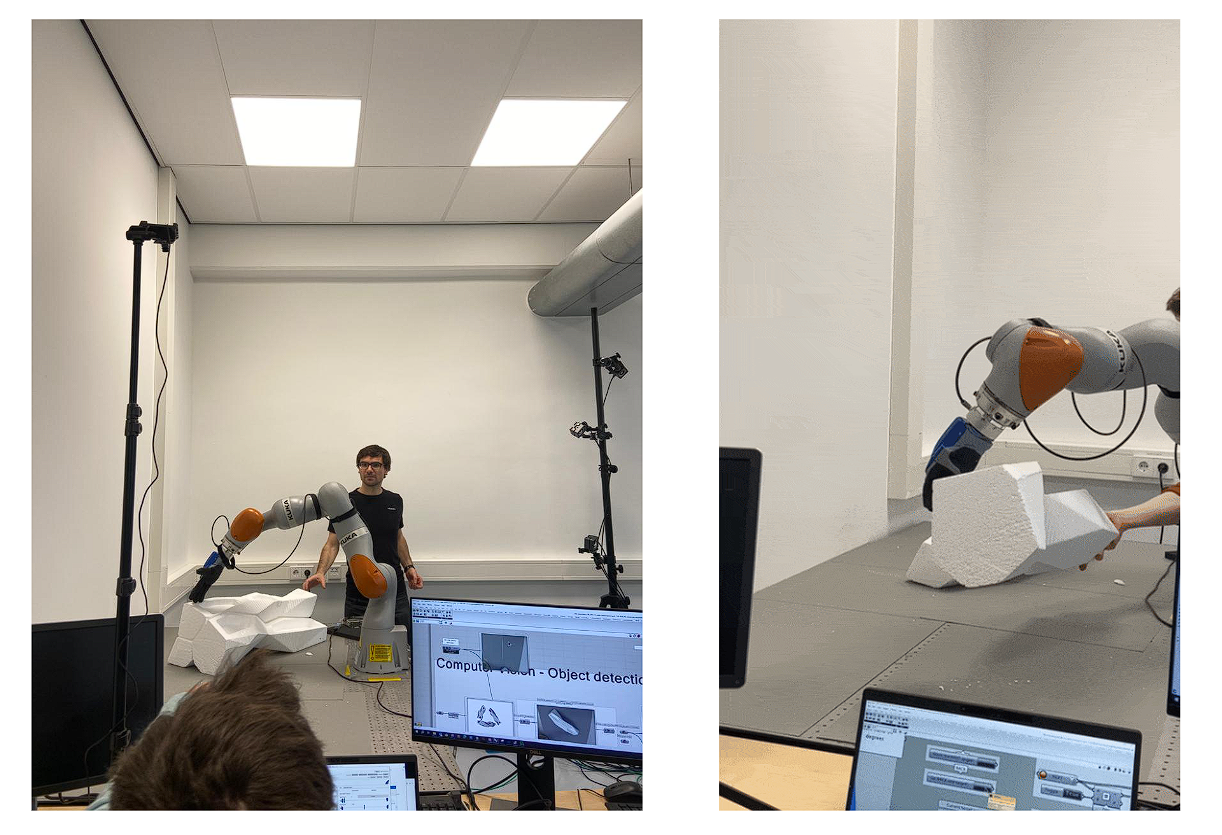
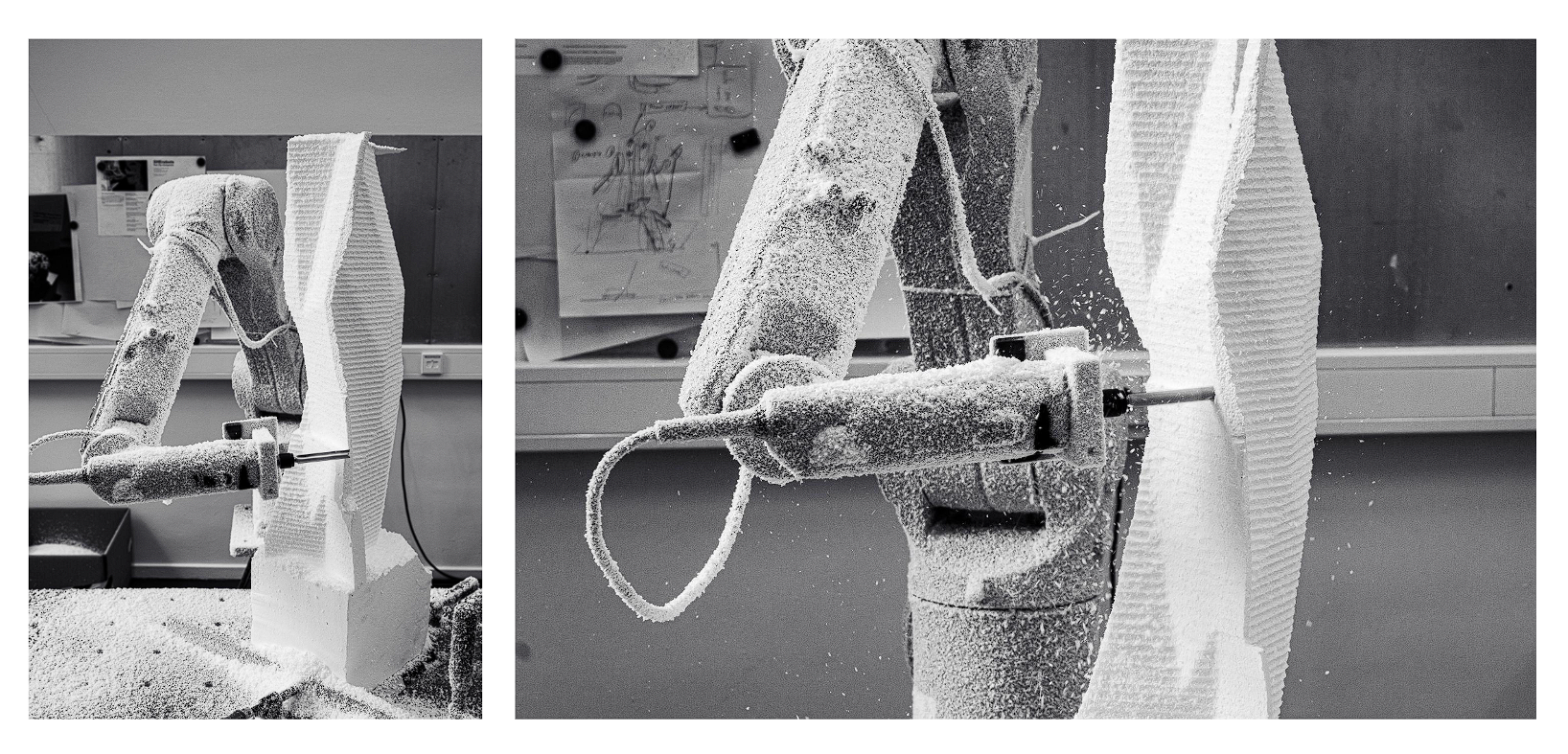
The next consideration is the foundational units for construction. As mentioned earlier, we use Voronoi cells to divide the building into smaller structural units. These units are constructed by robotic arms that create molds and pour in concrete. In the laboratory, we experimented with printing these foam molds and subsequently attempted assembly with the help of robotics in collaboration with mechanical engineering experiments.