Warning: Trying to access array offset on value of type bool in /www/wwwroot/8_138_8_205/wp-content/plugins/elementor/includes/base/widget-base.php on line 223

Warning: Undefined array key -1 in /www/wwwroot/8_138_8_205/wp-content/plugins/elementor/includes/base/controls-stack.php on line 695

Antakya School Post-Earthquake

[Location] Antakya, Turkish

[Duration] 16 weeks

[Individual] Architecture

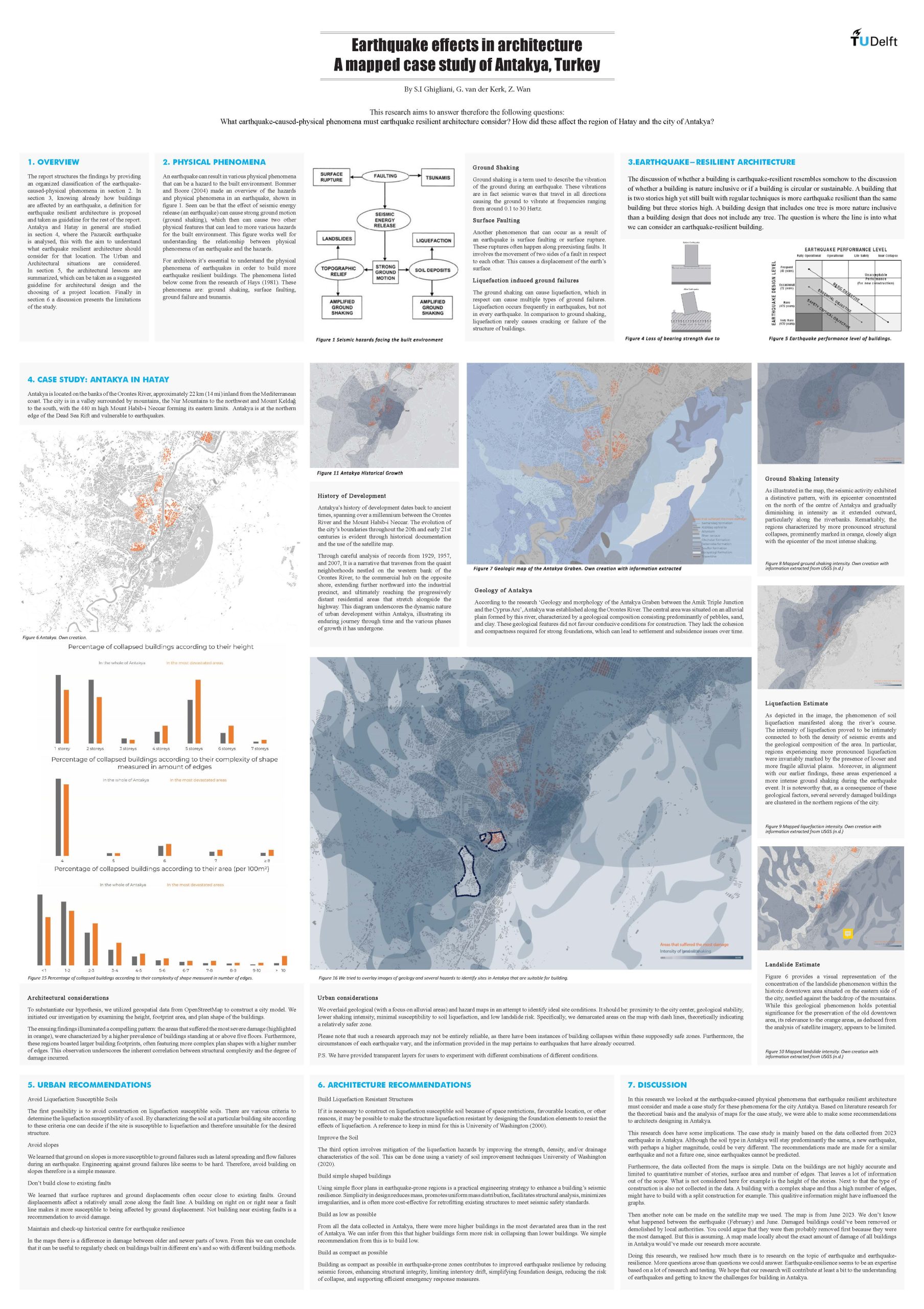
In February 2023, a major earthquake struck the Hatay province in southern Turkey. Antakya, located not far from the epicenter, was severely affected. Due to poor land-use policies and inadequate seismic structures, 90% of the buildings in the area collapsed, leaving people displaced.

In September 2023, I was an exchange student at TUD in the Netherlands, and coincidentally, the studio’s site was in Antakya, focusing on post-earthquake architectural design. Thus, I had the opportunity to visit Antakya and witness the pain the earthquake inflicted on the people.

Center of Antakya post-earthquake, 2023/11
Schools we Visited, 2023/11

More in my album, Turkey section

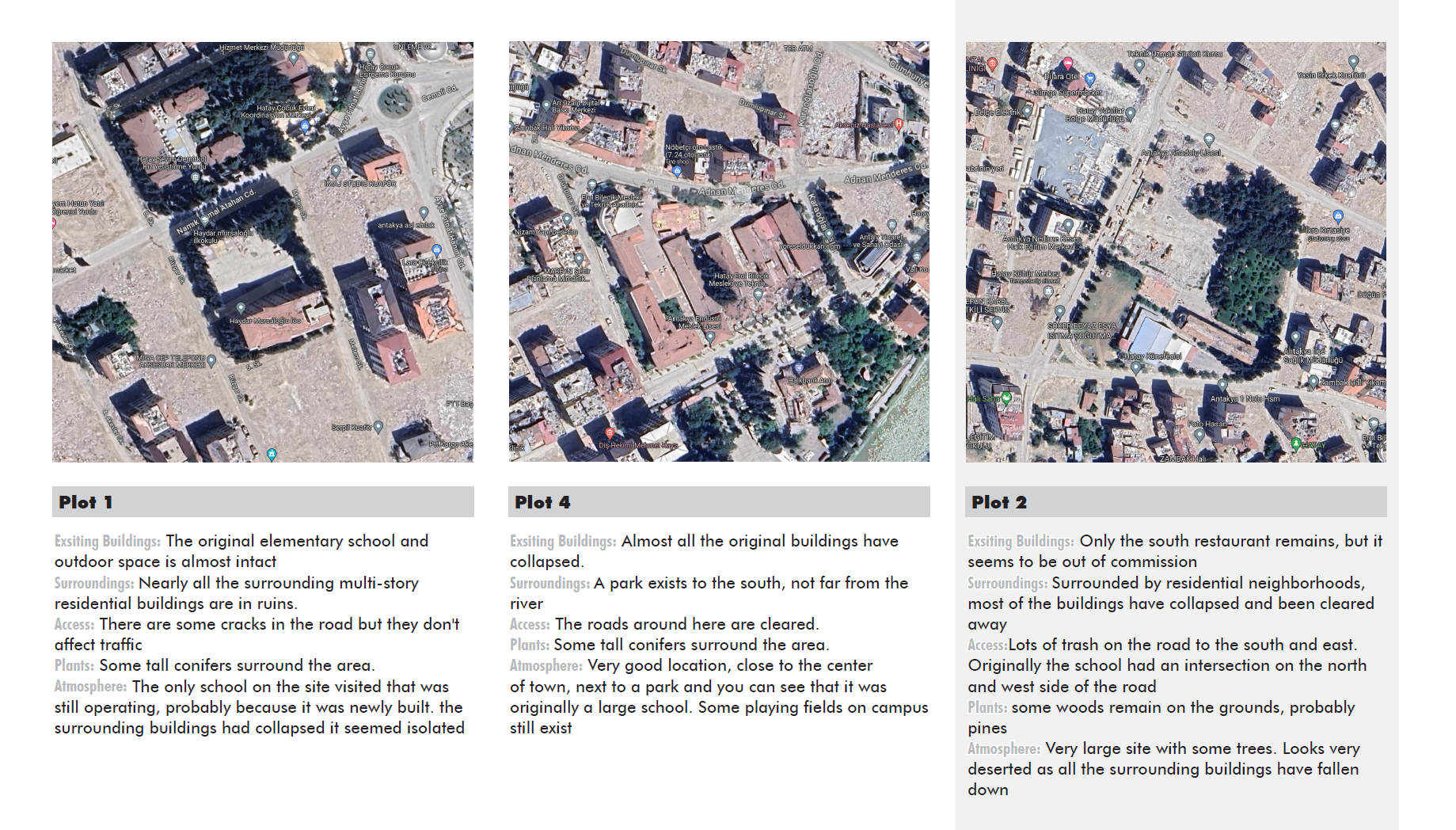
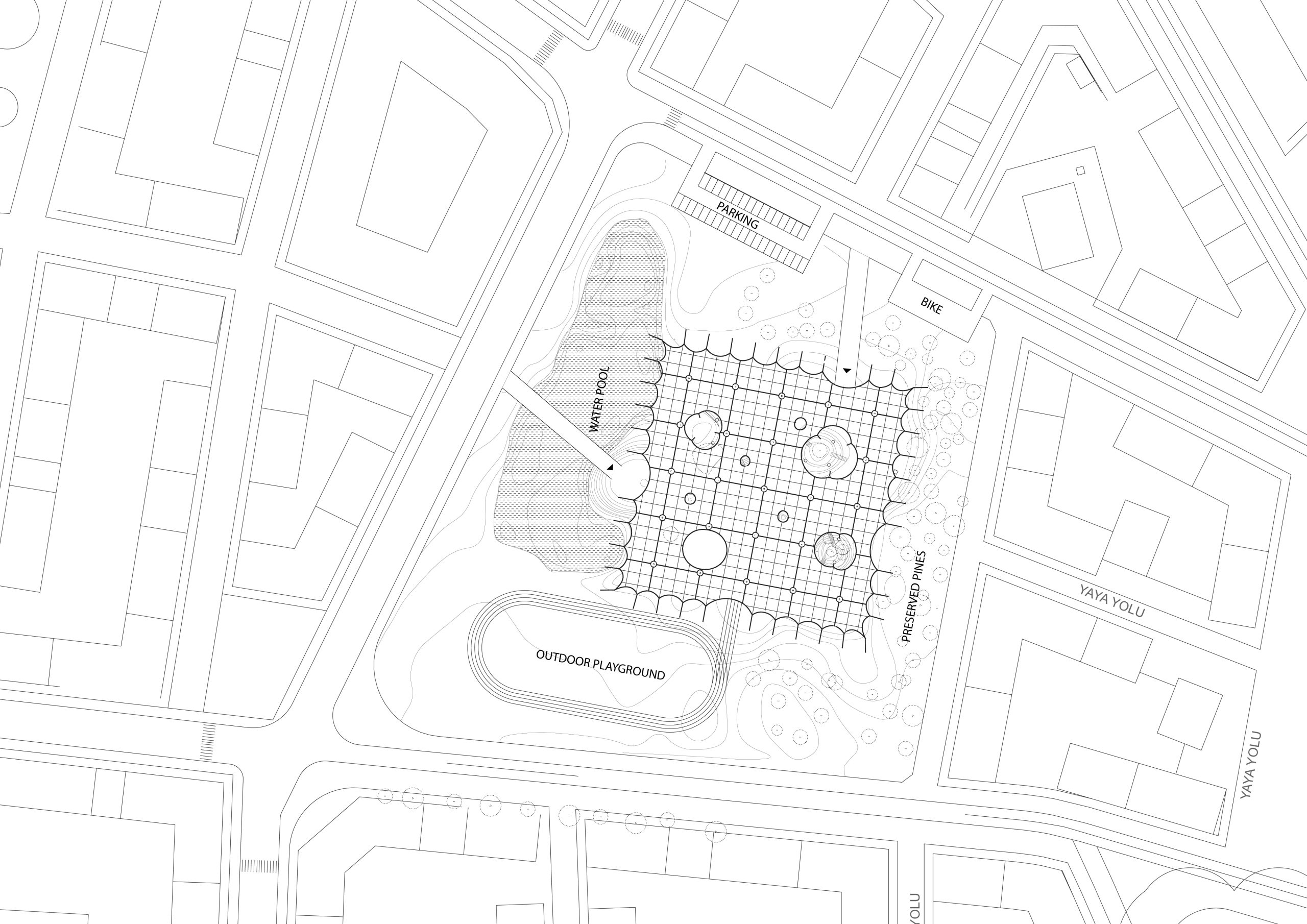
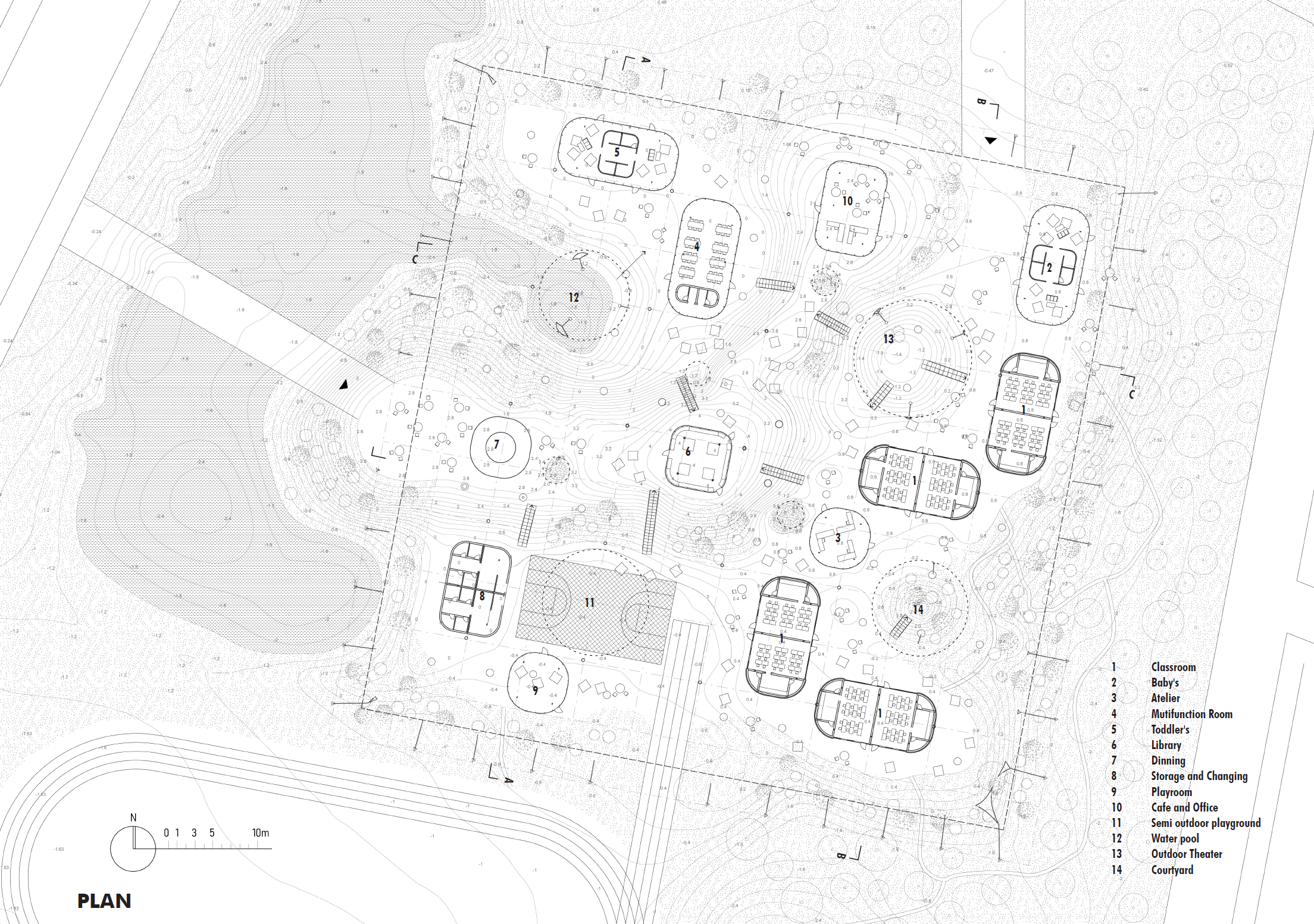
This project aims to build a school for children to use after the earthquake. There are three sites available for us to choose from. I chose the third one, which is very large. Originally, half of it was an elementary school, but it completely collapsed during the earthquake. To the east, some cedar trees remain, but aside from that, the site is mostly ruins. I hope to construct a temporary school that can be built quickly to meet the urgent educational needs of the children after the earthquake.

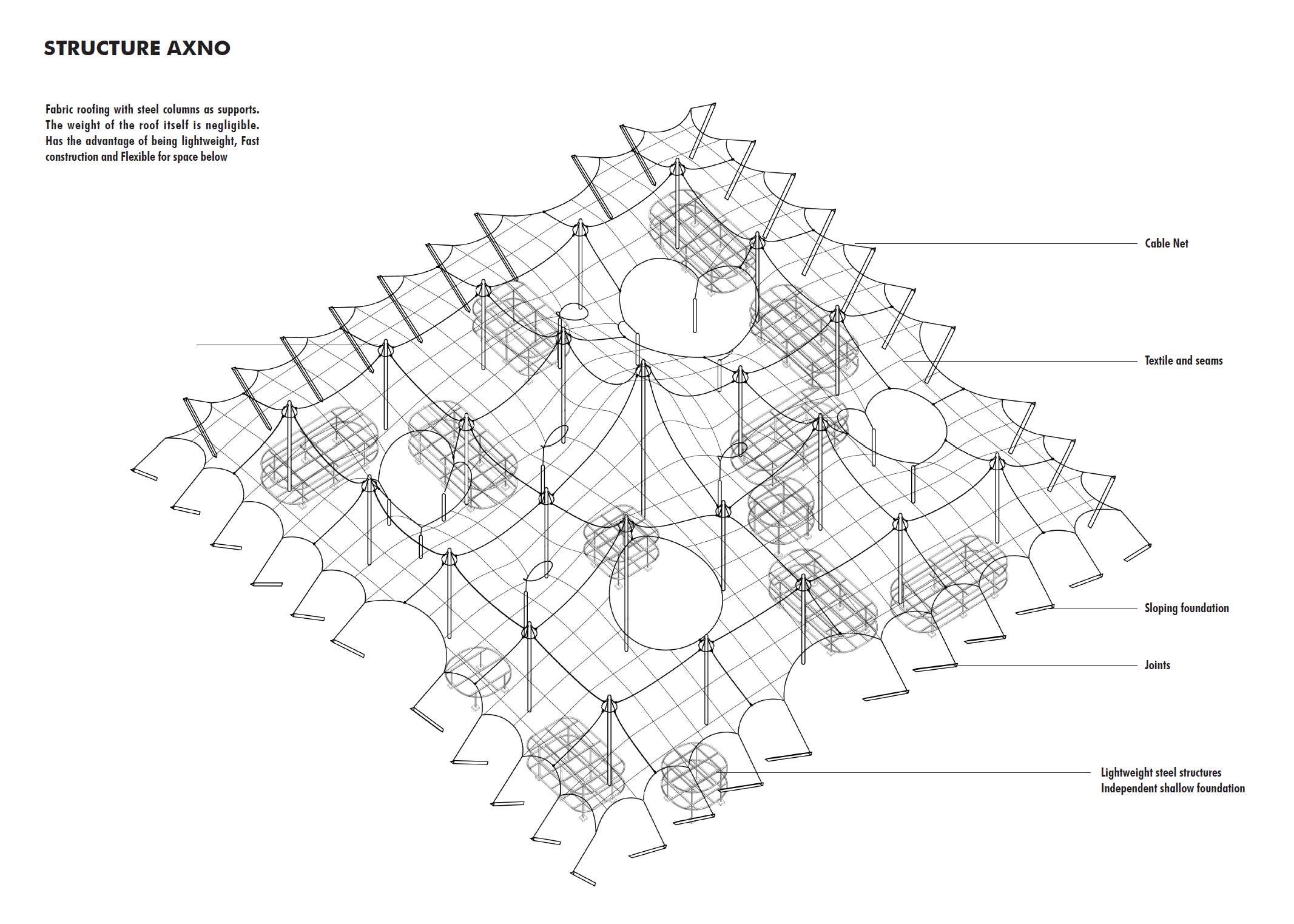
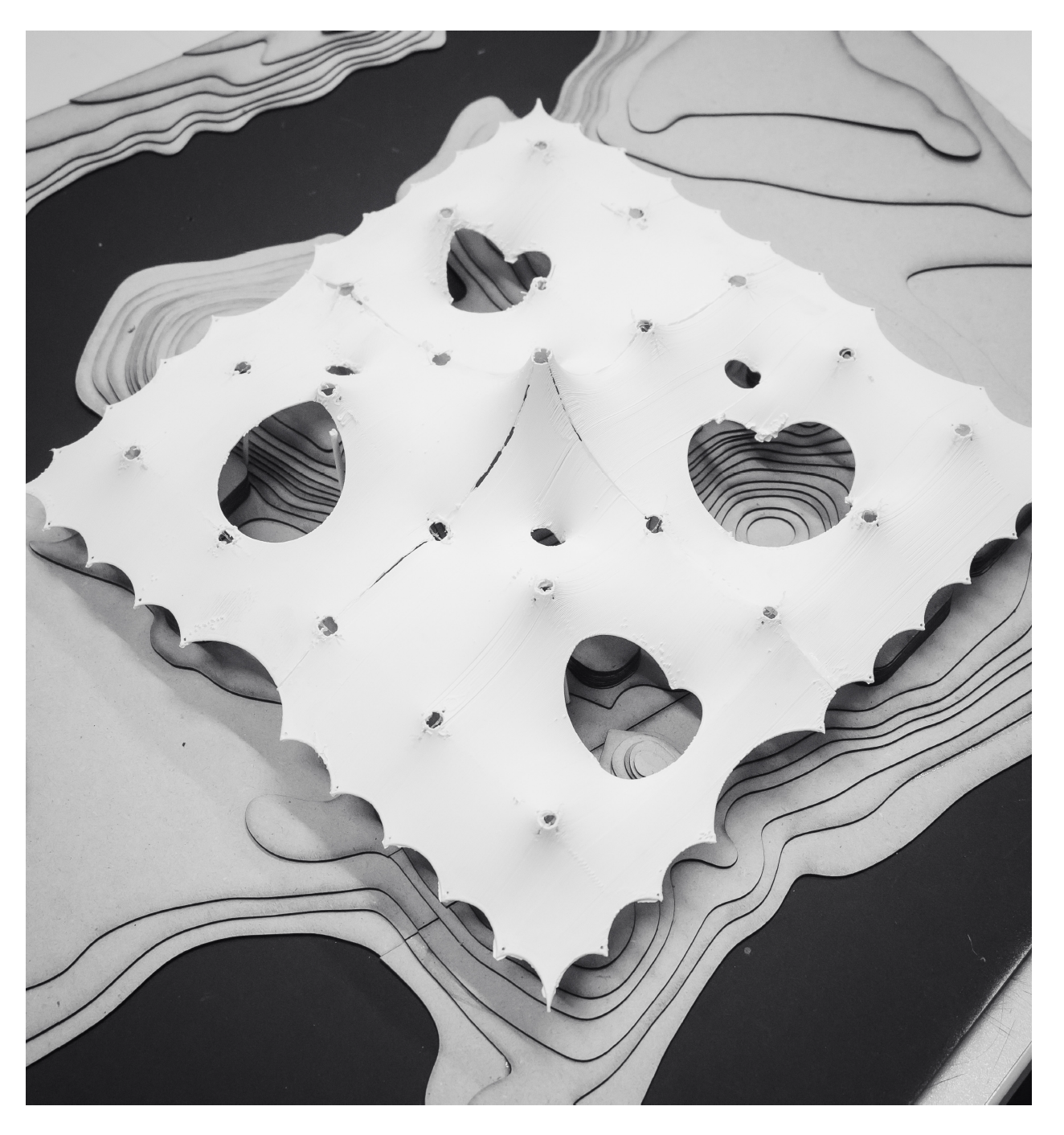
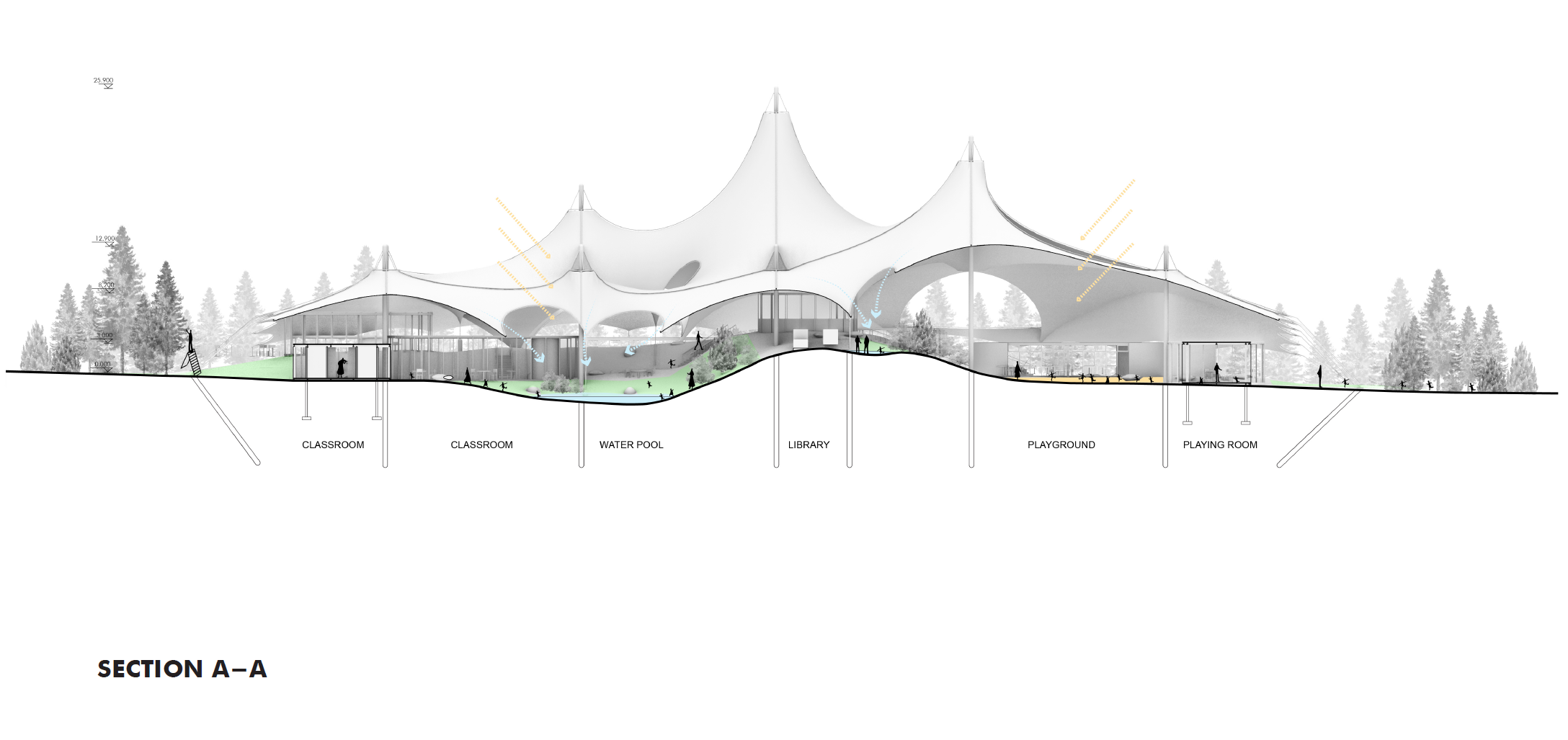
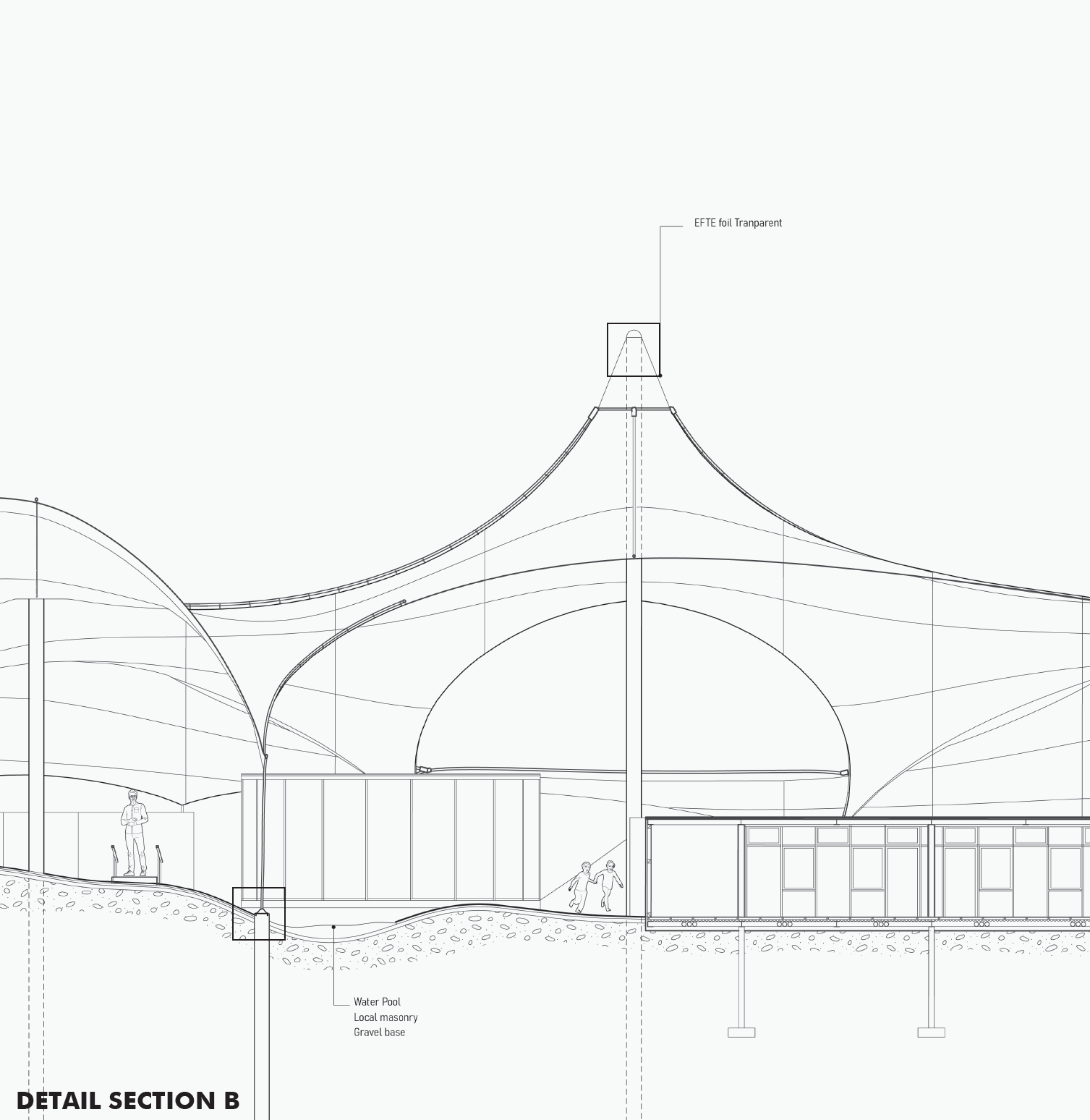
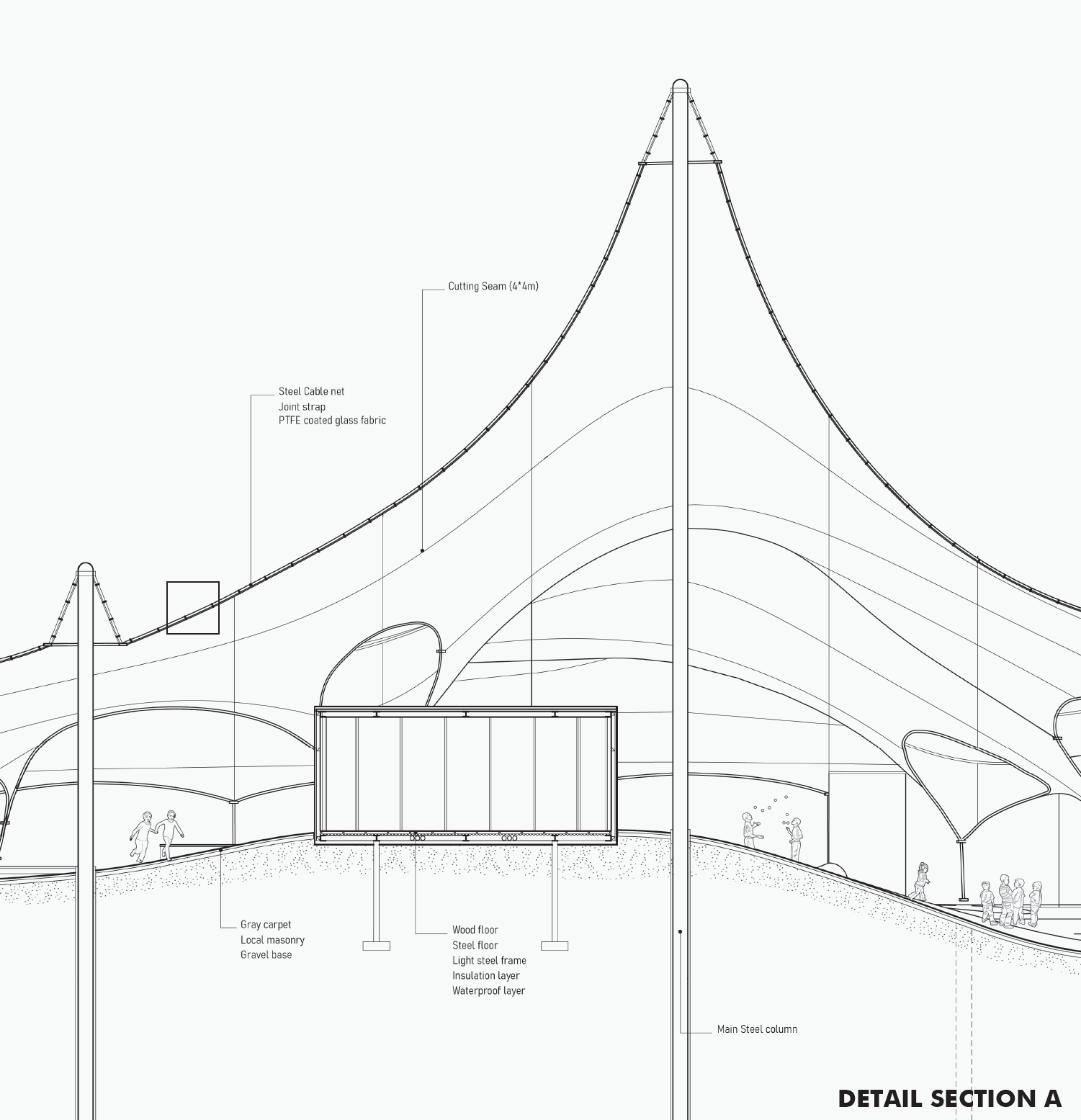
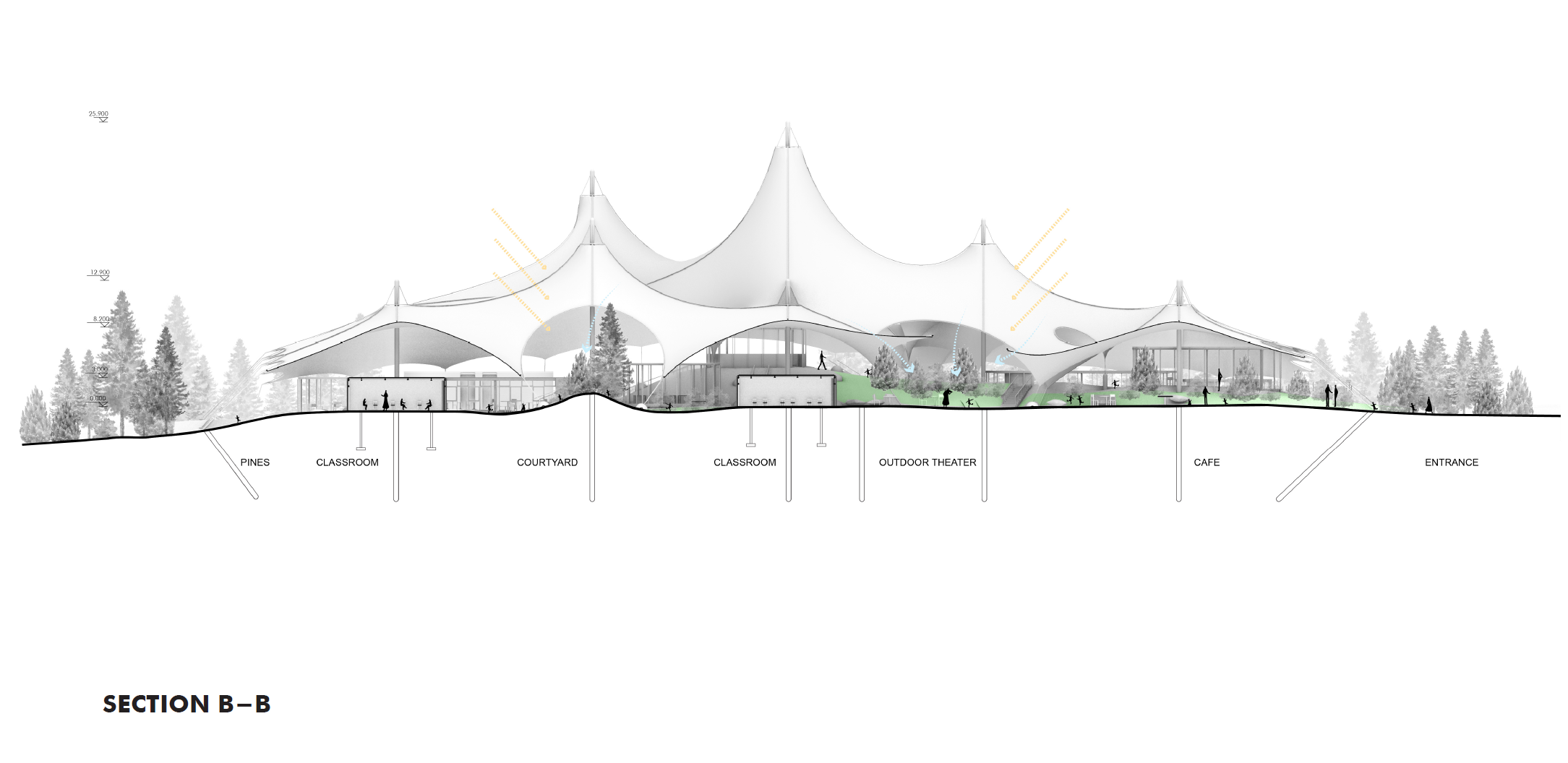
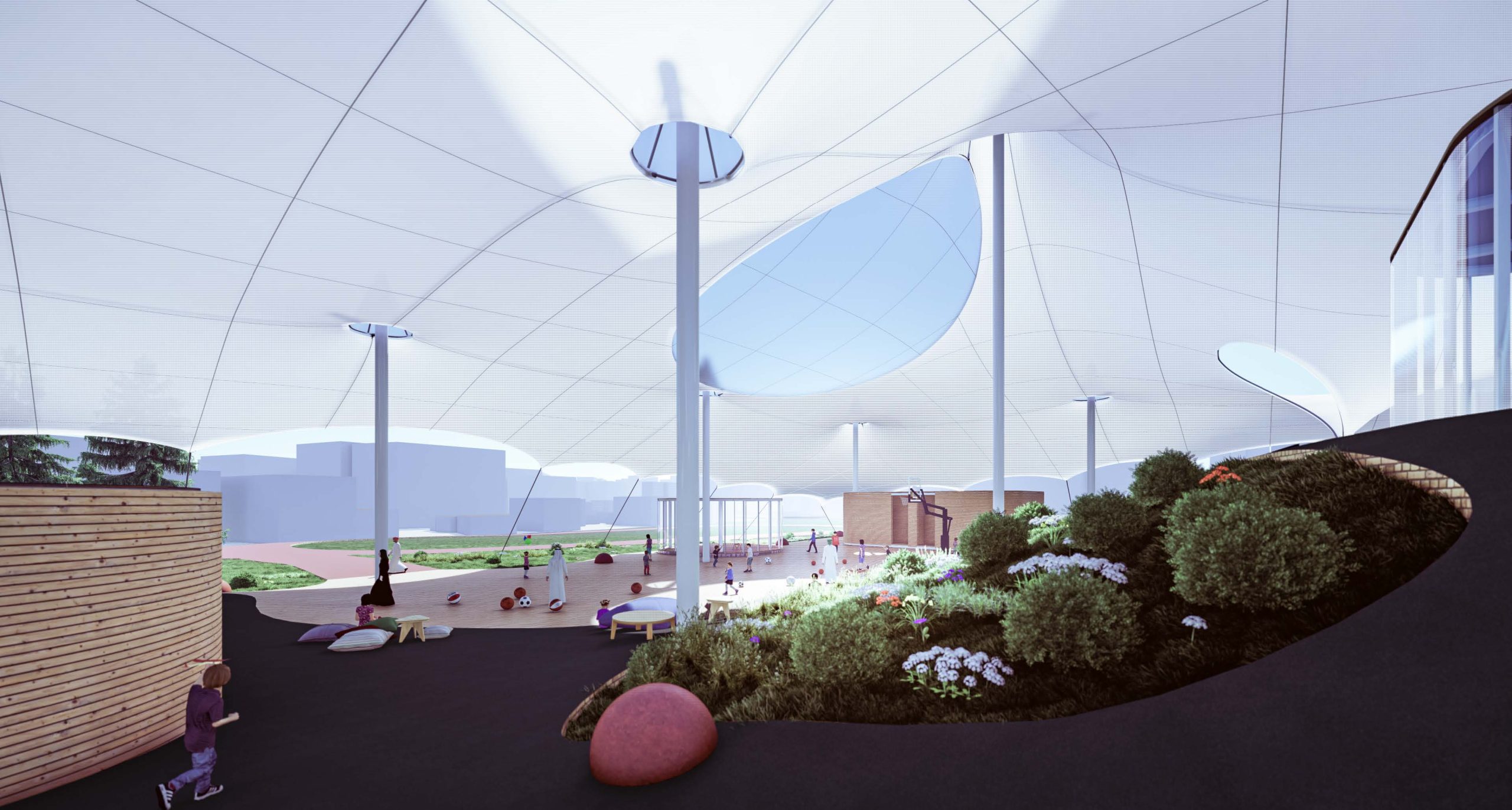
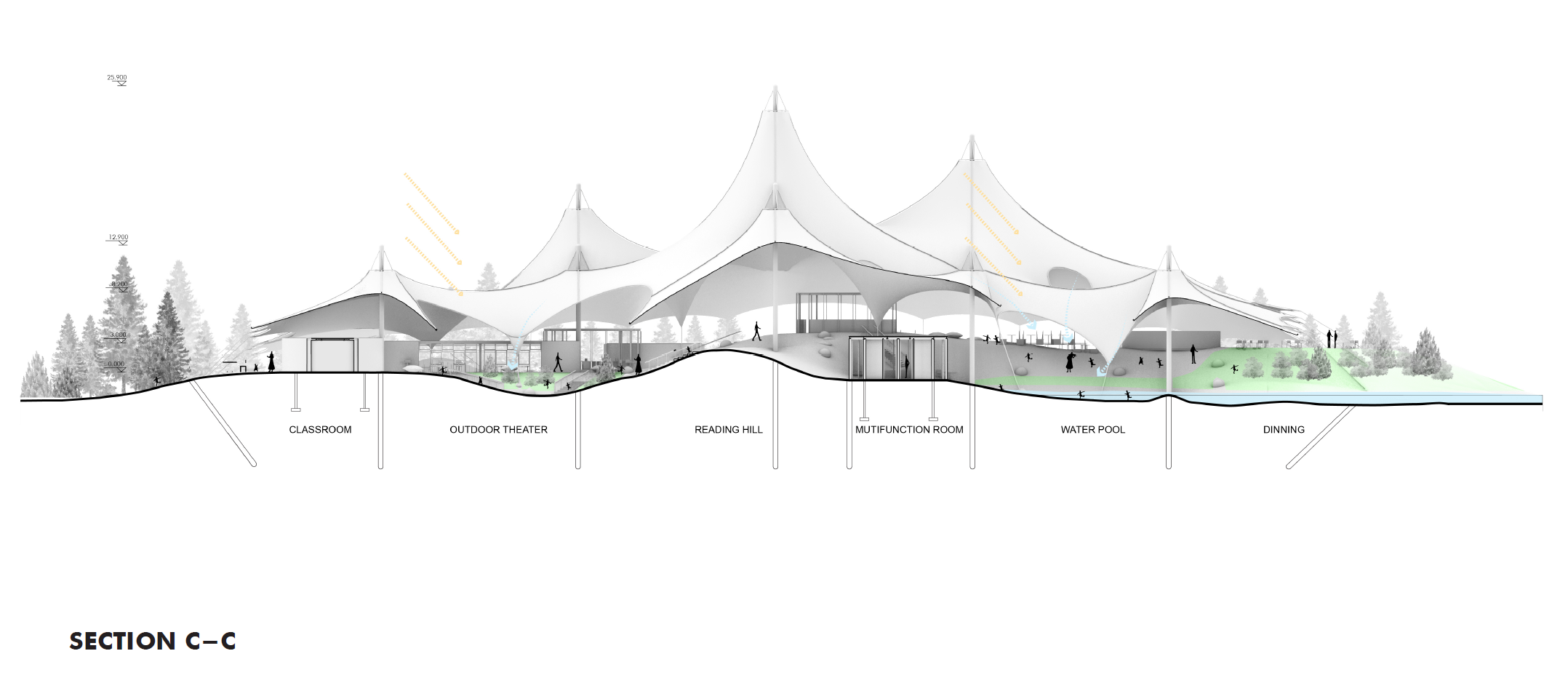
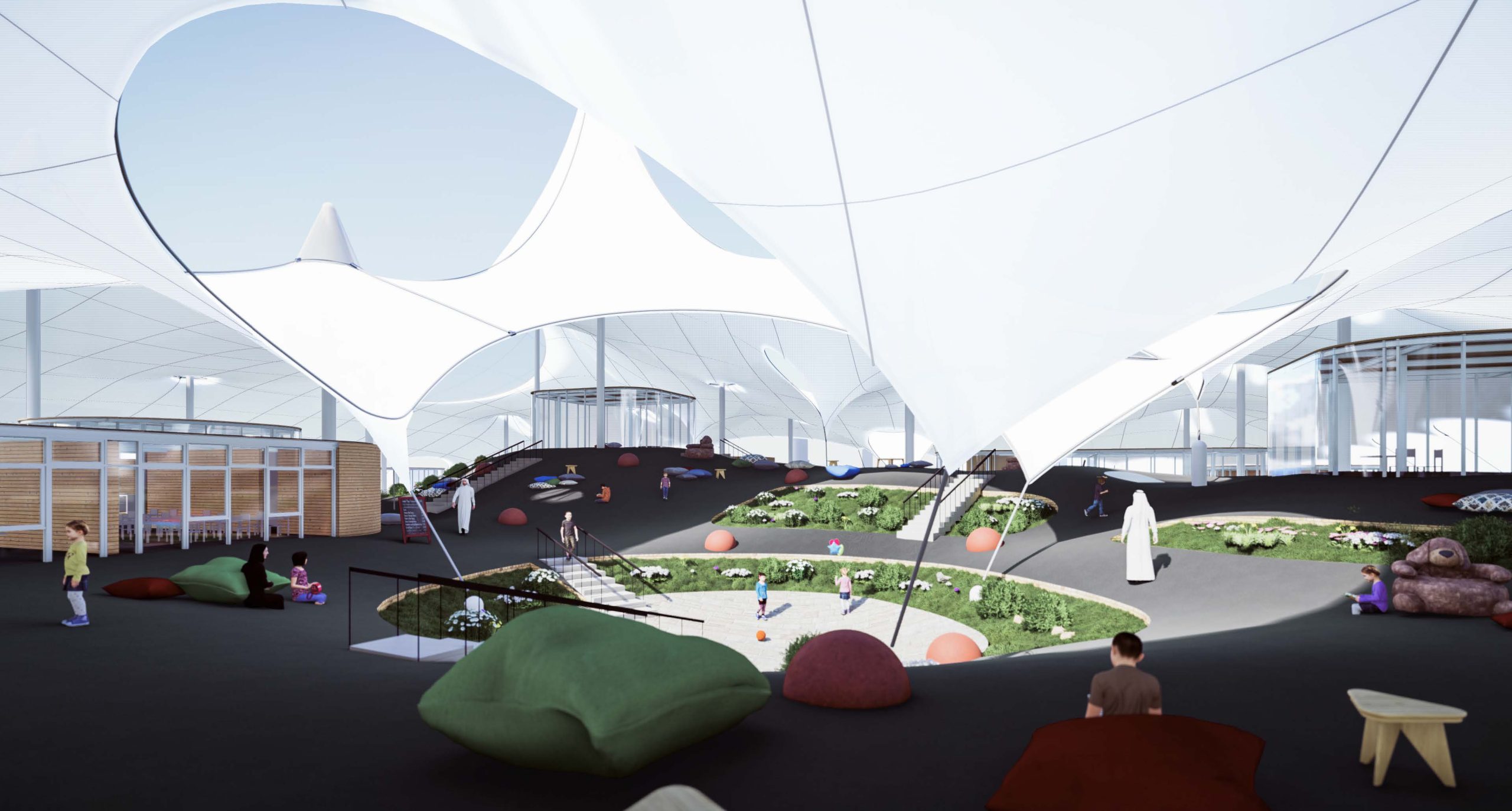
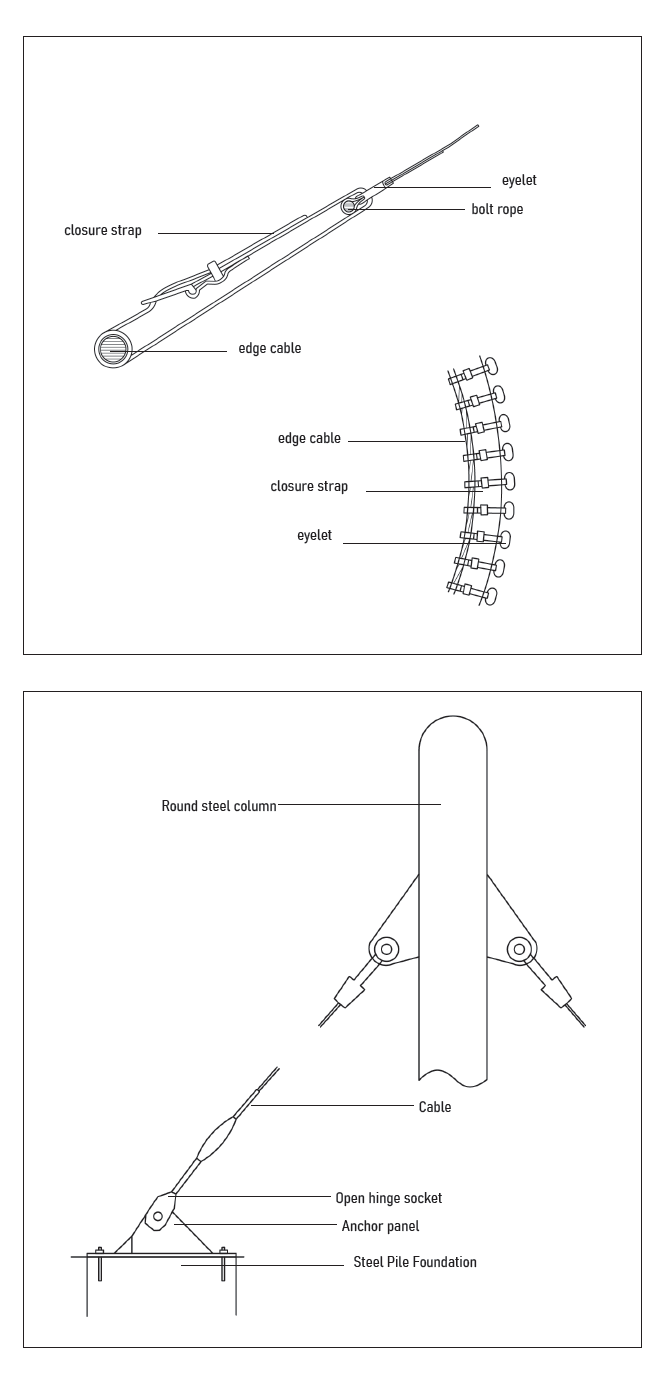
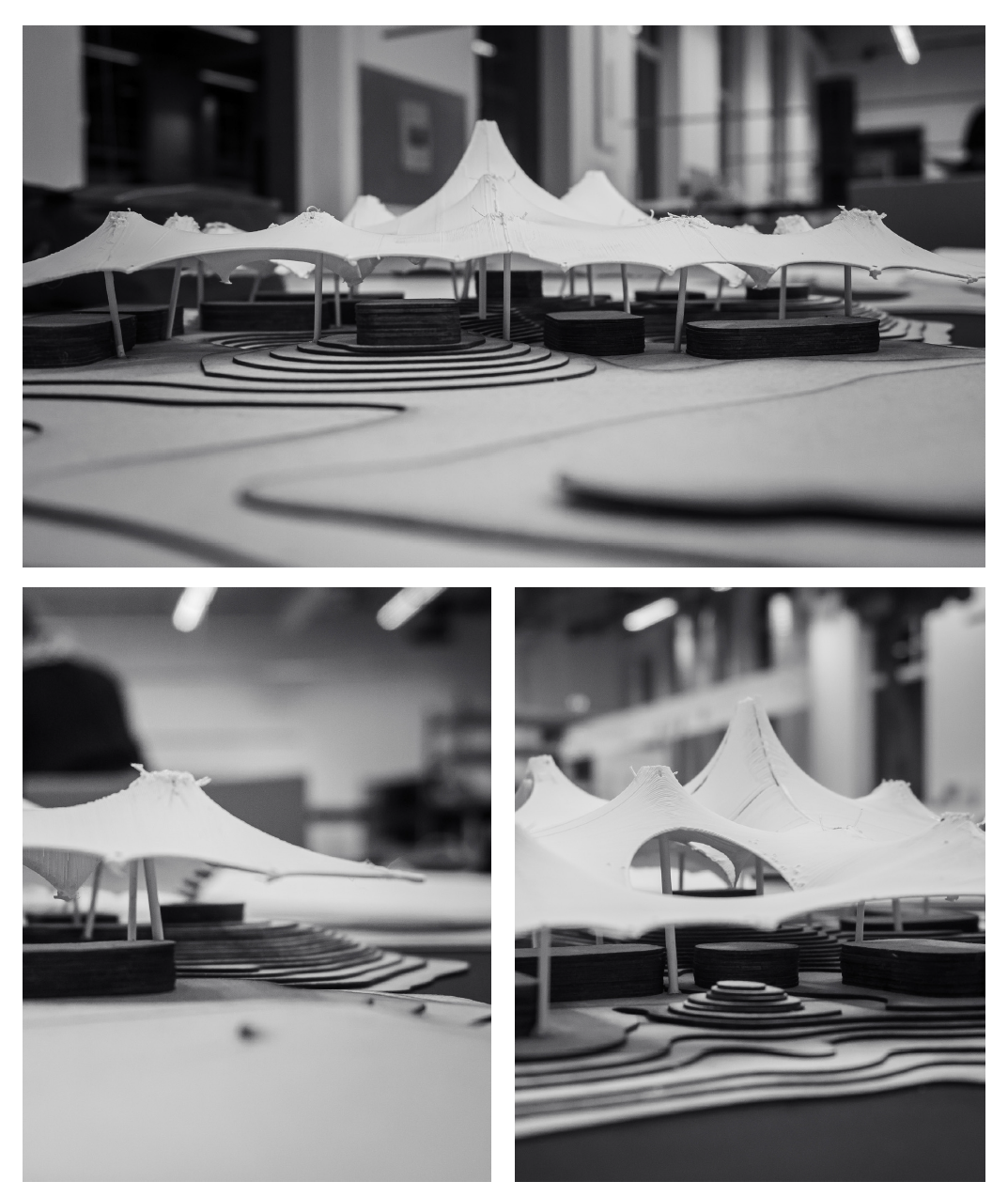
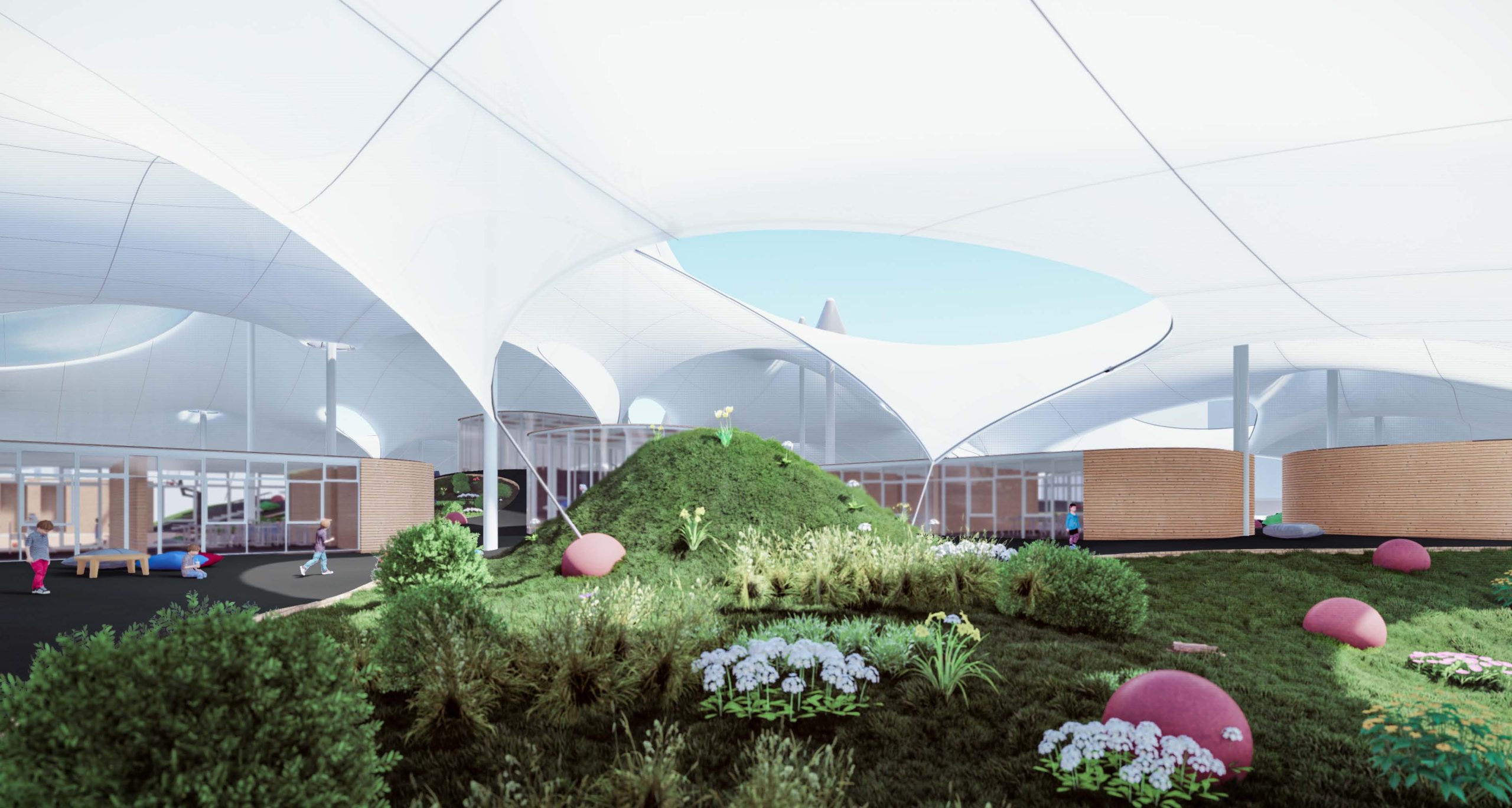
This new elementary school will feature a semi-open design, with classrooms and activity spaces encompassed beneath a vast fabric structure. This design takes into account Antakya’s very hot climate, where year-round ventilation and shading are more important than insulation and heating. Additionally, considering the difficulty of obtaining materials after the earthquake, large spaces are easier to construct and dismantle using cables and fabric.

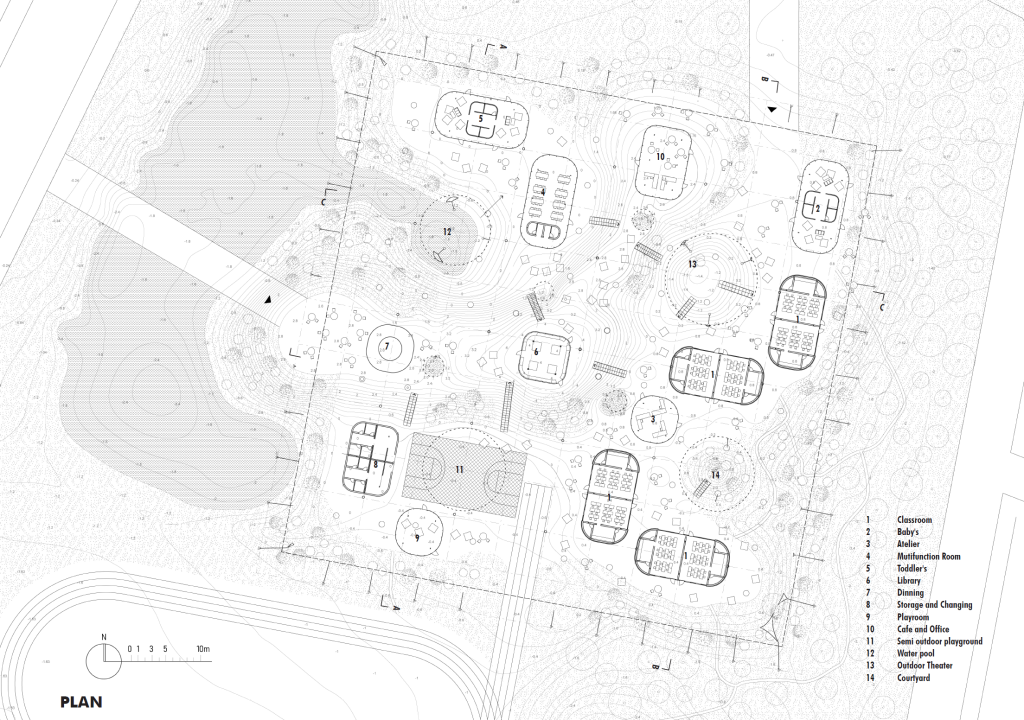
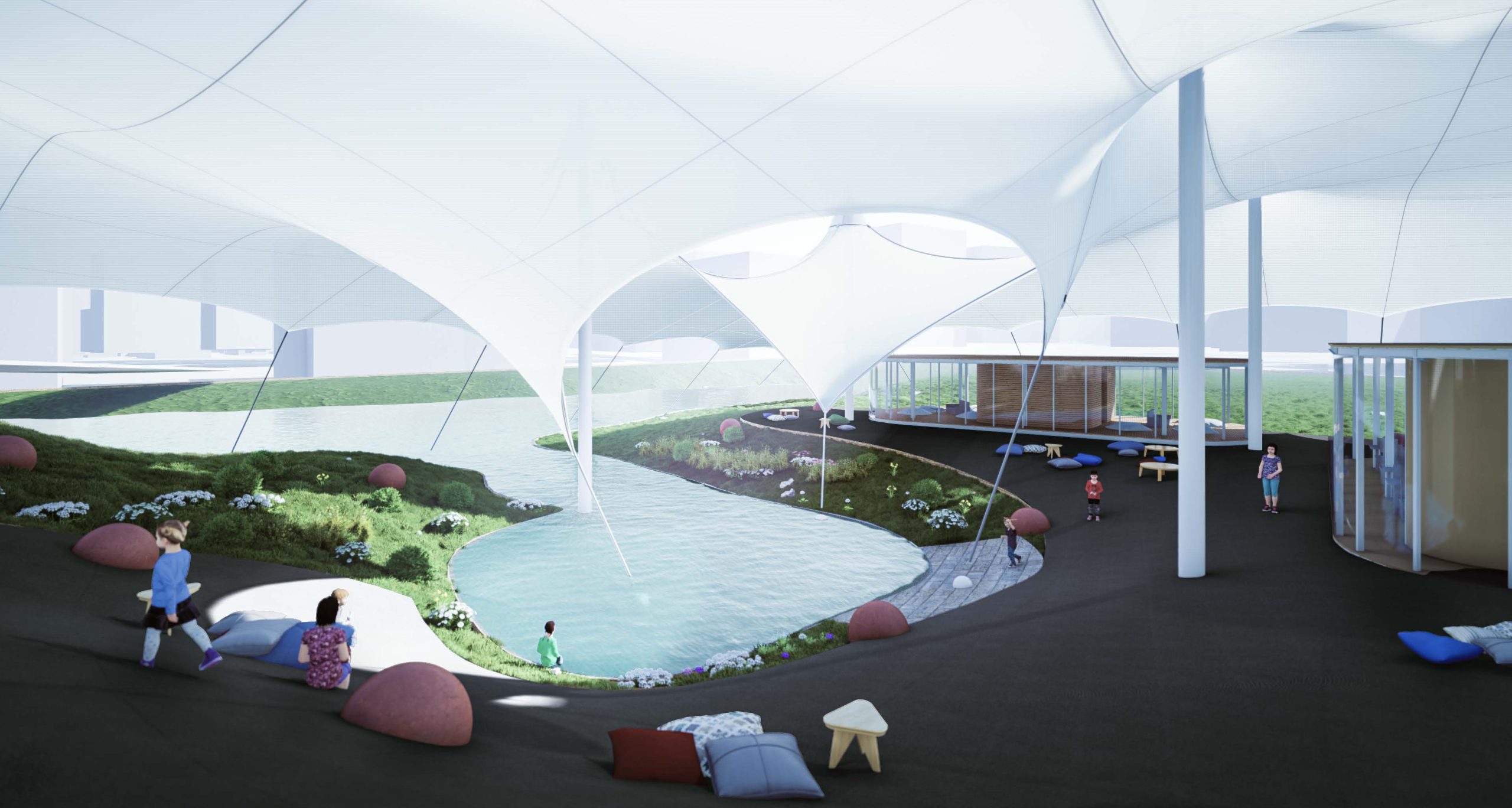
The form of the building is determined by the functionality of the layout. I strive to incorporate natural elements such as water, grass, trees, and sports fields into the interior of the school, transforming the spaces outside the classrooms into areas for leisure and activities. Gently varying elevations are used to separate different areas and guide the flow and changes in sightlines.